
The ideas of the coalition are expensive, inefficient, and socially unfair
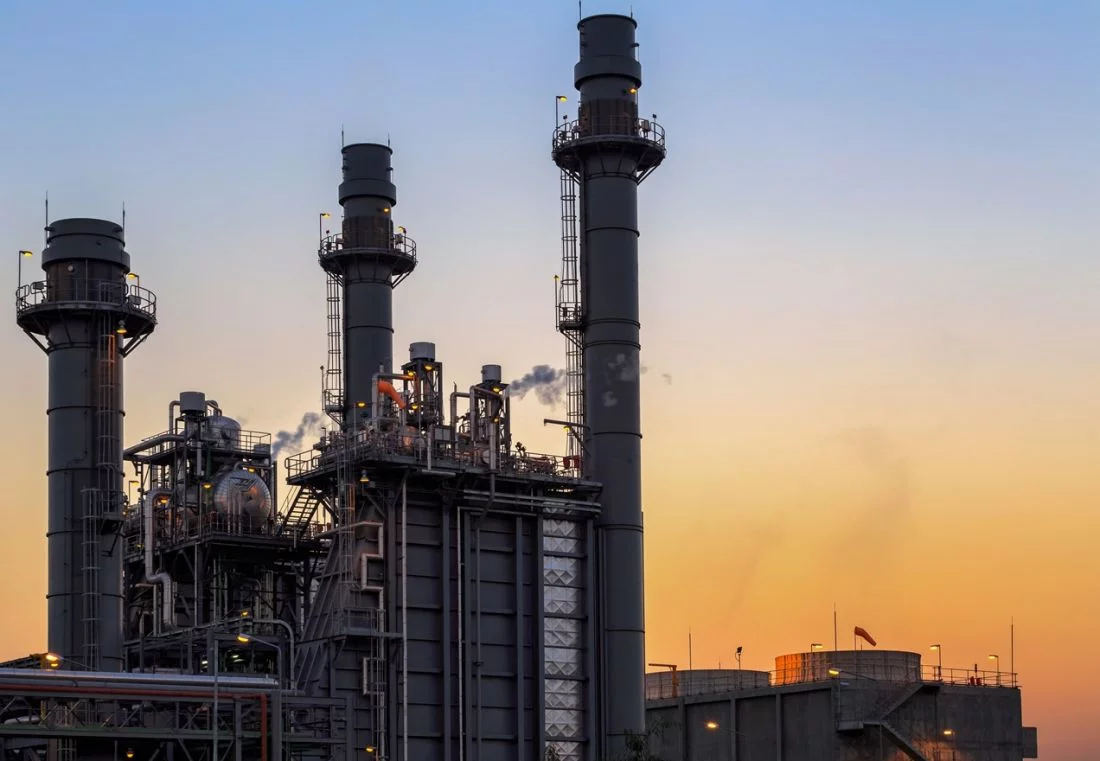
The coalition's plan to reduce electricity prices for everyone is hardly implementable. Reducing grid fees and electricity tax is extremely expensive and inefficient – and is counteracted by the goal of building 20,000 megawatt gas power plants.
Officials weigh the impact of the Iran-Pakistan gas pipeline on national energy security amidst mounting US pressure to abandon the plan.The first agreement of the potential coalition partners CDU, CSU, and SPD on energy transition and climate protection is socially unfair, expensive, and largely goes in the completely wrong direction.
The possible abolition of the Building Energy Act is highly problematic. This pushes the urgently needed measures for the energy renovation of buildings and the necessary financial support into the distant future. In the building sector, there are the largest catching-up effects.
Moreover, the threatened abolition leads to uncertainties among building owners, hinders the energy transition, and entails high costs, as Germany is committed in the European context to achieving emission reduction targets in both the transport and building sectors. Failure to meet these targets will result in high fines.
The Heating Act should not be abolished but reformed. Better socially tiered subsidy programs should be introduced in the building sector, as it is necessary for those with lower incomes to have the opportunity for energy renovation.
Better would be targeted tariffs for heat pumps or electromobility. Energy-efficient building renovation needs financial support. Investments in renovation strengthen the regional crafts and economy, and act as a stimulus program.
The proposed reduction in electricity prices using a watering can creates disincentives, is inefficient, and expensive. Such a planned reduction in electricity prices is neither targeted nor demand-oriented, as for example, the payment of a climate allowance would be.
Moreover, the plan to reduce electricity prices for everyone is hardly implementable. Even if network charges and electricity tax are actually reduced, this is extremely expensive and inefficient – and is counteracted by the goal of building 20,000 megawatt gas power plants.
The construction of new gas power plants has a tendency to increase electricity prices and can even outweigh potential electricity price relief. A better approach than an expensive and inefficient blanket reduction would be a demand-oriented relief for energy-intensive industries.
Nuclear power is a dangerous brake on investment.
The best energy price brake is the faster expansion of renewable energies, as these have a downward effect on electricity prices. The industry could greatly benefit from so-called Power Purchase Agreements (PPA) or also from differential contracts with renewable energy producers. Therefore, the framework conditions should be improved.
Those who, like the CDU and CSU, put the abolition of the area target for the expansion of wind energy on the agenda are wrong and acting counterproductively. The energy transition takes place locally, in every federal state. Sufficient areas for wind energy are needed throughout Germany.
Even a possible waiver of the environmental compensation and a reduction in the rights to collective lawsuits would be wrong and highly problematic and would contradict the goals of environmental and nature protection.
It is necessary to limit the hydrogen ramp-up to green hydrogen, as all other production methods are either emissions-intensive, such as blue hydrogen, or risky, such as hydrogen based on nuclear power.
A return to nuclear energy would be expensive and wrong. The old nuclear power plants are mostly being decommissioned, and the operators have clearly opposed it. Their reoperation would be unnecessary, costly, time-consuming, and inefficient.
To this end, the Atomic Law would need to be changed, fuel rods would have to be purchased, employees would need to be rehired, and nuclear facilities would need to be inspected for safety. The new construction is incredibly expensive, as can be seen in the new construction projects in England, France, or Finland.